Review: The Sentence
4/5 stars
The Sentence, by Louise Erdrich (2021)
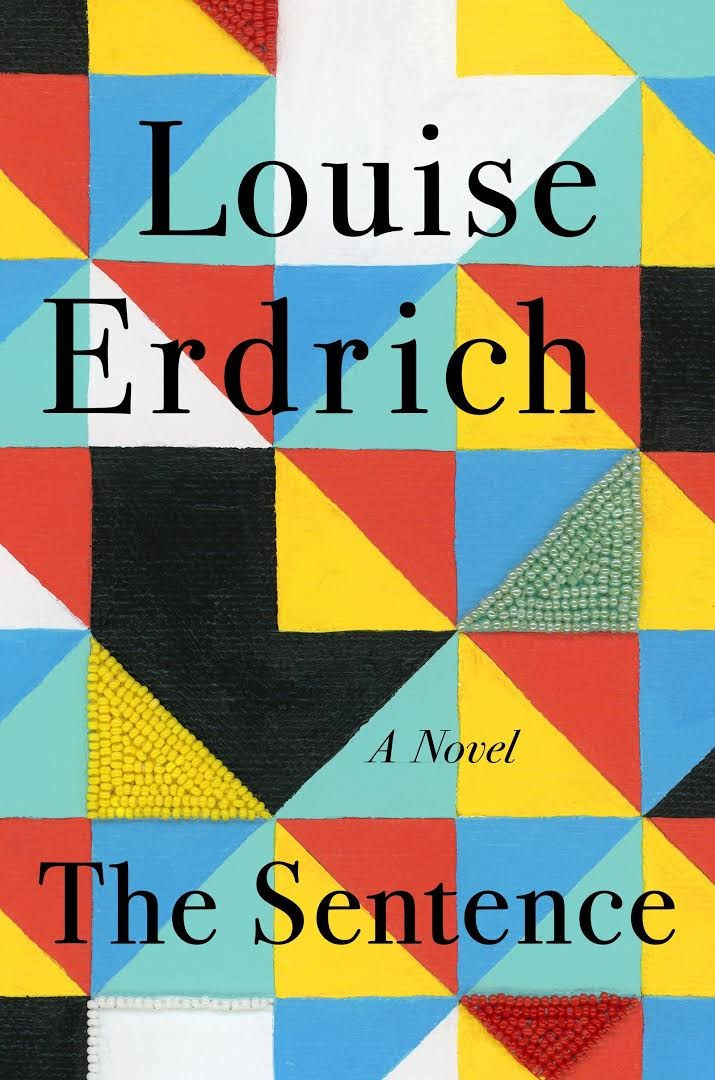
"Louise Erdrich has made a career writing about the contemporary world in light of the history of indigenous people, how the past continues to impact the present."
I've only read one of Erdrich's novels before, and it was ages ago - high school, I think! But my best friend is methodically going through all of them right now, and it made me want to have Erdrich's voice in my ear for a while.
The novel starts in 2009-ish in Minneapolis. Tookie, an Ojibwe woman, is hanging out with her best friend and crush, Danae. Their mutual friend, Budgie, has died, and Danae convinces Tookie to steal his body from his girlfriend's house, because Danae is in love with him, so she says, and wants his body. Tookie agrees, is caught, and learns after-the-fact that what she stole was more than just a body. Her "friends" set her up, and she's been sentenced (The Sentence) to 60 years in prison.
Fast forward 10 years. It's now November of 2019, and Tookie is out, married, and working at a small independent bookstore owned by a friend (an actual friend!) that focuses on Native authors - a perfect fit for book-loving Tookie. She finds a home there, with coworkers and friends Jackie, Pen, Asema, and Louise, the owner (no coincidence that Louise Erdrich owns a very similar bookstore in Minneapolis, Birchbark Books & Native Arts). The Sentence is packed full of mentions of other awesome books, too. Erdrich lists them (over 150) in an appendix entitled Totally Biased List of Tookie's Favorite Books - a list I will be saving and referring to often when I need ideas for my next read.
The bookstore is a kind of "where everybody knows your name" hangout, with regular customers, including the rather annoying Flora, a white woman who claims, most likely falsely, to have Native heritage. We never actually meet Flora (alive) - she dies at home while reading a book from the store called The Sentence: An Indian Captivity 1862-1883 (The Sentence). But she doesn't leave. She's at the bookstore every morning, haunting Tookie (and only Tookie). When Flora's daughter gives Tookie the book Flora was reading, Tookie is reticent to read it, convinced that there is one sentence (The Sentence!) that actually killed Flora.
(By the way, I've written/looked at the word "sentence" so many times now that it doesn't look like a word anymore... semantic satiation.)
Tookie is the focus throughout the novel, but within the context of 2020's chaos - i.e. worldwide pandemic, followed by the murder of George Floyd in Minneapolis, followed by worldwide protests. It was so interesting to read about, in particular, the beginning of the pandemic, when no one knew what to do, what was going on, how long it would last, how to prevent Covid-19, etc. From lockdowns we thought would last a month, then two, then more... to wiping down mail and groceries, makeshift masks, and empty shelves at stores, reliving all of that was more thought-provoking than triggering, thankfully (at least for me). It's not grim. It's an observant reflection of a very particular moment in time.
I also loved seeing these goings-on from Tookie's perspective - a Native woman living in Minneapolis, a former convict afraid to protest, a step-mother worried about her daughter attending protests, an employee trying to help keep a business alive. And all of that with the background of recognizing that violence against Black people in this country mirrors that of the legacy of violence against Native peoples in this country.
The Sentence is a haunting (and haunted), relevant, considerate, deliberate, beautiful novel.
UP NEXT: The Last Hour Between Worlds and The Last Soul Among Wolves, by Melissa Caruso


Comments